
North Wales Trip Report
2nd - 6th June 2026
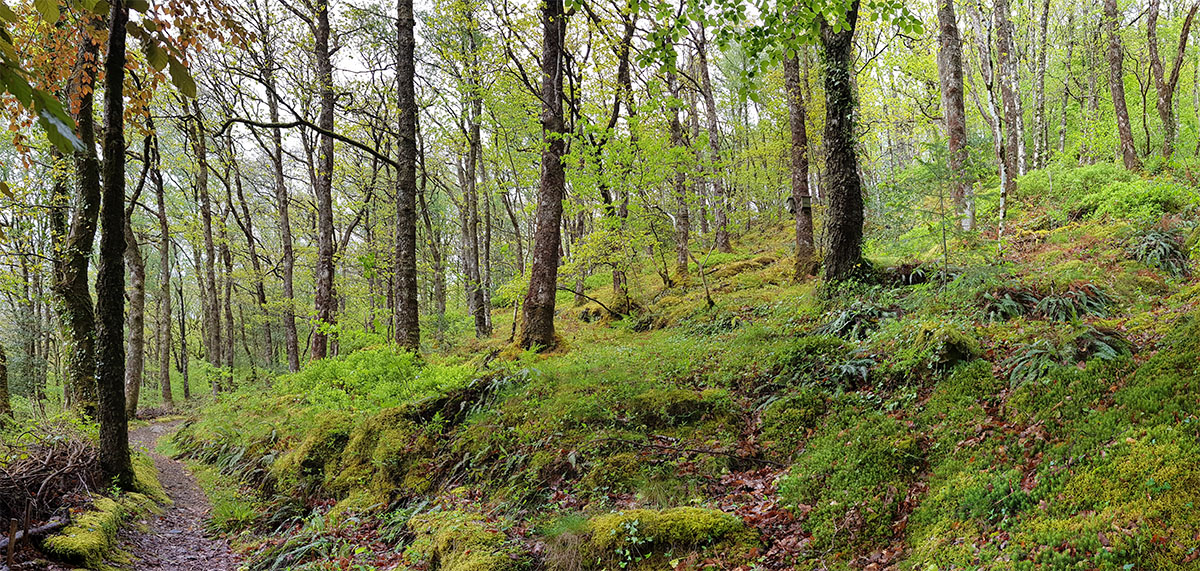
Native Welsh Wooldand at Ty Hyll
In the last few years I’ve been lucky enough to be able to photograph wildlife in many of the world’s most exciting locations, but I've rather neglected the wonderful animals on my own doorstep here in Wales. This summer I decided to do something about that, starting with a a brief tour of North-west Wales... from the mystical island of Anglesey (Ynys Mon) to the woodland around Betws-y-Coed in Snowdonia National Park and then the ancient limestone of the Great Orme headland.
Llyn Parc Mawr, Anglesey
My main target on Anglesey was the red squirrels that live in the local forests. Red Squirrels used to be found all over Wales, but introduced American grey squirrels have gradually replaced them, and by the end of the 20th century it looked if our lovely little native squirrels were about to disappear from Wales altogether.
Thankfully, a dedicated band of local conservationists set up a rescue programme to save them, starting by removing all the grey squirrels from Anglesey. In 2013 the island was declared ‘grey squirrel free’, and since then numbers of red squirrels have steadily increased until they're now once again common in the island's woodlands.
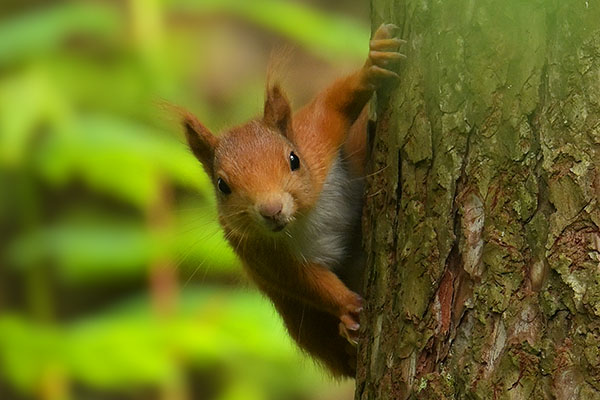
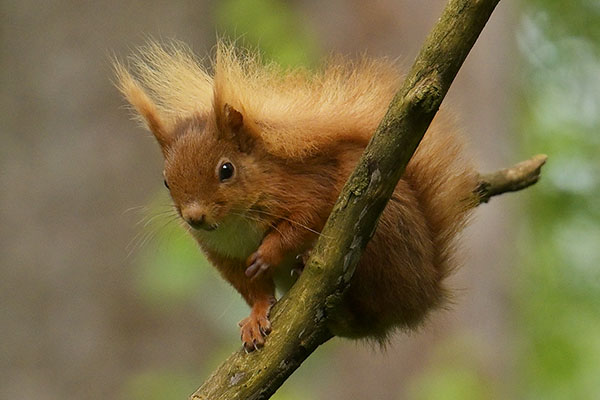
Red Squirrels (Sciurus vulgaris) in Llyn Parc Mawr Community Woodland, Anglsey
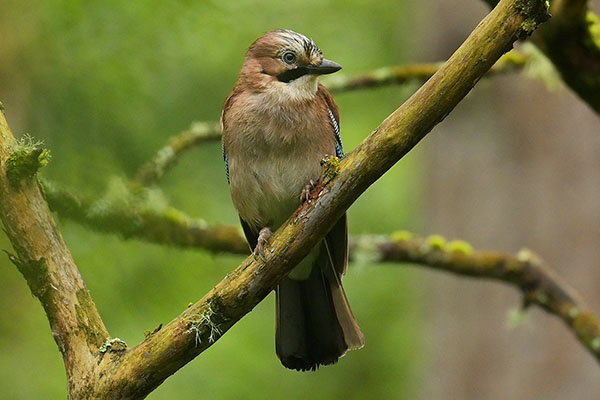
Eurasian Jay (Garrulus glandarius)
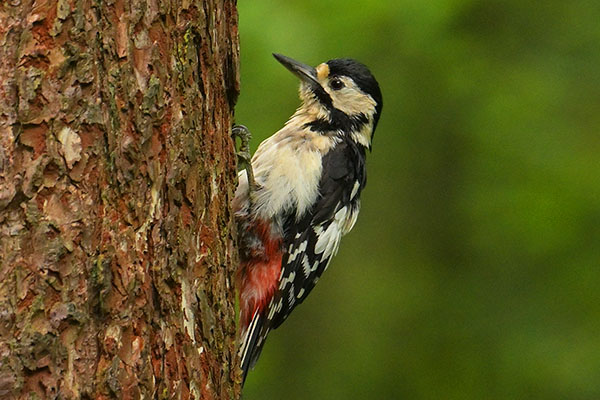
Female Great-spotted Woodpecker (Dendrocopos major)
Conwy RSPB
The second stop on my North Wales tour was Conwy RSPB reserve. I've always admired how well the RSPB runs its nature reserves, but Conwy is particularly impressive, with excellent facilities including lots of good quality hides and screens overlooking the flooded lagoons. I was hoping to get some shots of either otter or stoat, both of which are regularly seen on the reserve.
Arriving just as dawn was breaking, I made my way straight to one of the screens to find a large male otter foraging right in front of me! Annoyingly it was still too dark for a photo. The otter quickly vanished into the reeds and despite several return visits I failed to spot another, or any stoats. There was plenty of other wildlife though, and I’ll definitely be back for another try.
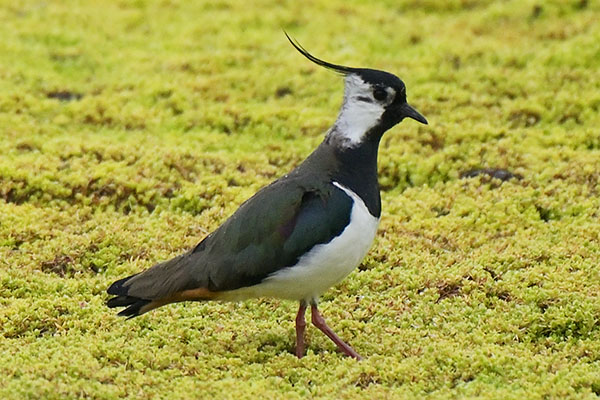
Lapwing (Vanellus vanellus)
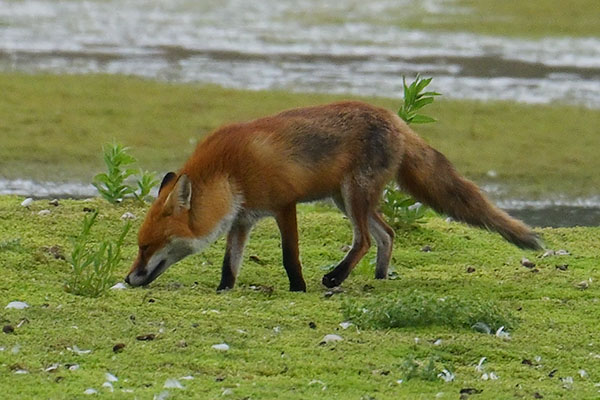
Red Fox (Vulpes vulpes)
Betws-y-Coed and Ty Hyll
I was particularly keen to photograph some of the special birds that visit Welsh woodlands from Africa each summer to breed, and Matt Dowse, the RSPB Conwy warden gave me some great advice on places to find them. The first was Ty Hyll (Ugly House) which despite the name is a lovely old stone-built cottage set in a nature reserve teeming with woodland bird life including nesting pied flycatchers.
The second site was an old pine plantation near the historic village of Betws-a-Coed, where there was a chance of spotting an elusive wood warbler. Thanks to Matt's advice, I managed to get photos of both species collecting nesting material and food for their young. As a bonus, Ty Hyll is now a lovely little café where with luck you can watch pied flycatchers over a delicious cream tea!
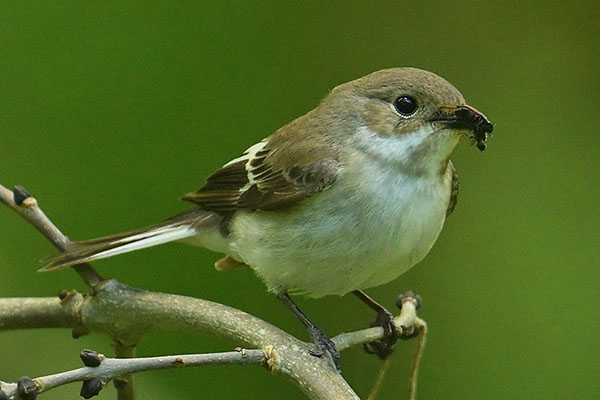
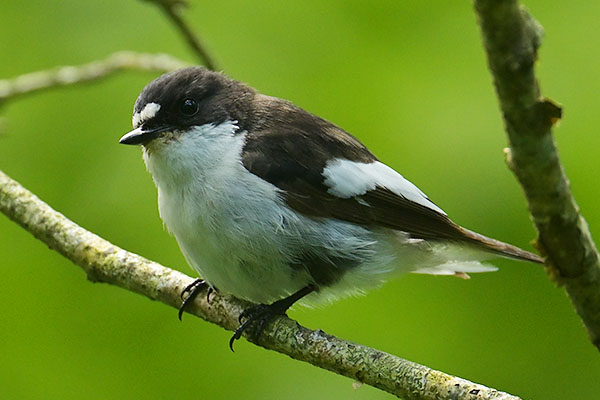
Female Pied Flycatcher (Ficedula hypoleuca)
Male Pied Flycatcher (Ficedula hypoleuca)
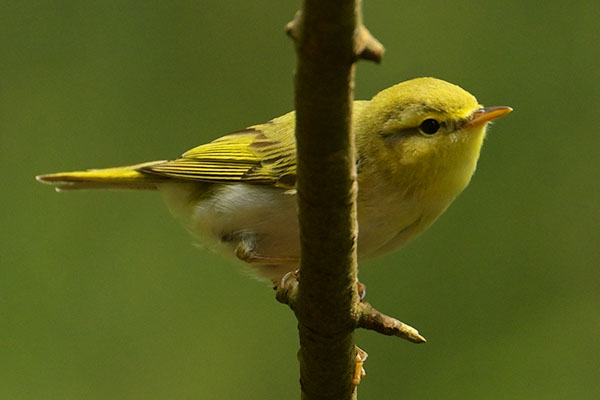
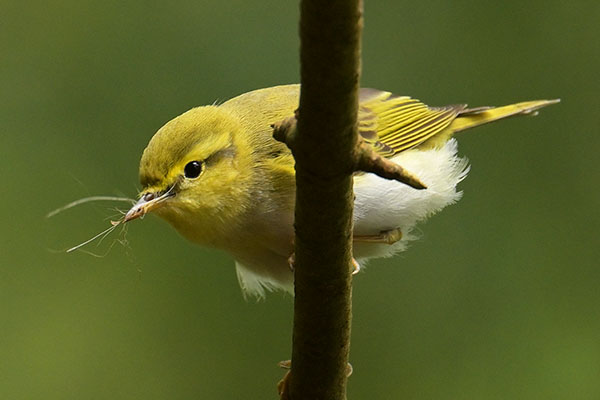
Wood Warbler (Phylloscopus sibilatrix)
Great Orme
The final stop of my brief trip was the dramatic limestone headland of the Great Orme (y Gogarth). The site of ancient 4,000 year-old copper mines, Great Orme is now an important wildlife haven with a host of special plants, nesting peregrines, razorbills and guillemots and a breeding colony of grey seals. My target though was the unique caernensis subspecies of the beautiful little silver-studded Blue butterfly which is only found in North Wales.
They have a strange lifecycle, totally dependant on ants, who collect the tiny newly-hatched caterpillars and keep them in their nest, only bringing them out at night to feed. The pupae form in the nest and when the new butterflies emerge the ants escort them to the surface and watch over them as their wings dry. Sadly I failed to photograph the emergence, but I did get some nice shots of the butterflies as they flitted about the cliff tops.
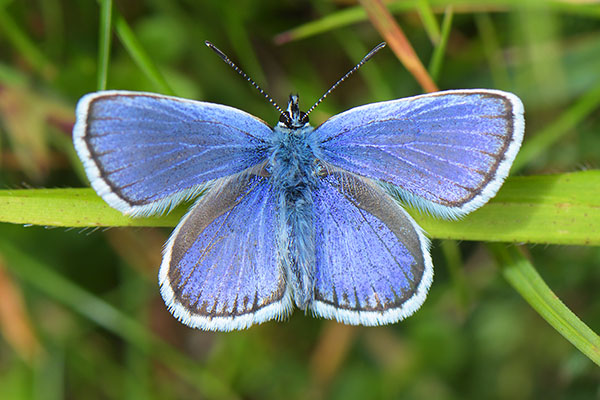
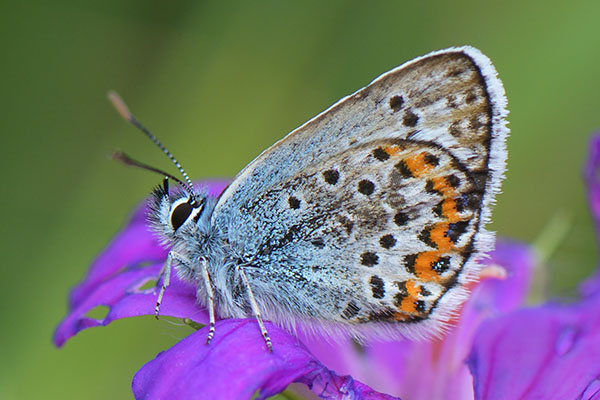
Silver-studded Blue (Plebejus argus caernesis)
During my travels to photograph wildlife in exotic regions of the world, I somehow managed to forget about all the wonderful wild places and animals surrounding me back home in Wales. My brief trip to the north has put that right and inspired me to spend more time in the campervan exploring my home country. Watch this space for the next report from the southern county of Pembrokeshire...
Mammal Species
Red Squirrel (Sciurus vulgaris)Grey Squirrel (Sciurus carolinensis)
European rabbit (Oryctolagus cuniculus)
Brown Rat (Rattus norvegicus)
Red Fox (Vulpes vulpes)
European Otter (Lutra lutra)
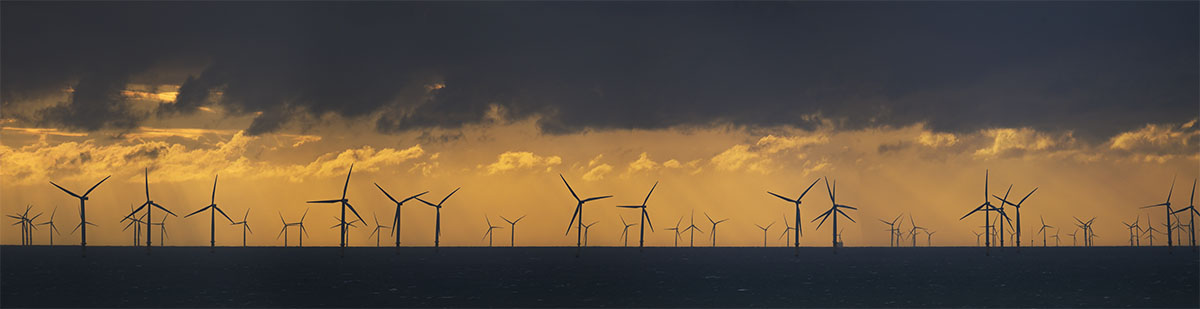
Gwynt y Mor Wind Farm off the North Wales coast